Atito Development Initiative

Our Mission

Atito Development Initiative is a charitable organization dedicated to improving educational opportunities for students of Atito Basic School by supporting academic resources and resourcing the school library to promote literacy, learning, and long-term success.
 

Our Motto

                                 Our People – Our Future
 

image 30

Values

We believe in the value of every individual and the power of working together. With a positive, “can do” attitude, we are focused, flexible, and driven to make a meaningful difference. Guided by honesty, creativity, compassion, and accountability, we strive to transform lives and strengthen the communities we serve.

Vision

Atito Development Initiative works to improve health, education, and livelihoods in Atito and surrounding communities. We provide COVID-19 support, promote mental and physical wellbeing, and offer skill-building workshops and apprenticeship programs in trades like carpentry, sewing, and local arts. We advance education through homework groups, science and math sessions, and annual grants for financially challenged but academically talented students. Our projects also include resourcing the school library with digital facilities, contributing to a healthcare clinic, and fostering self-reliance, community spirit, and celebration of achievement. By collaborating with NGOs and local authorities, we create lasting impact and better opportunities for the people of Atito.

History Of Atito Development Initiative

  • Atito Development Initiative is the Canadian chapter of Atito Developmet Foundation a world wide organization of citizens of indigenous of  Atito in the diaspora and home in Ghana. To Promote Health, Enhance Education And Alleviate Hardship Amongst The People Of Atito And Its Surrounding Neighborhood Towns Within The Anloga District Council – Volta Region In Ghana.

HISTORY OF ATITO
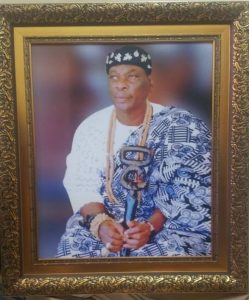
Torgbi Xemalordzo Dedu II
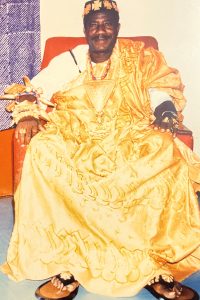
Torgbi Xemalordzo Abaye II
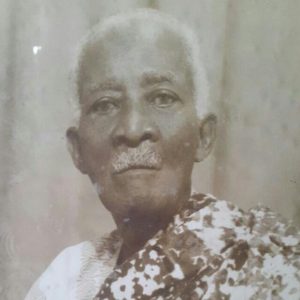
Torgbi Xemalordzo Dey II


It is told that, Atito was founded around the early parts of AD 1700s. The settlement was founded by Dɛ Xemalɔdzo, Aɖɛɖu and Abayɛ, three siblings and sons of Akuma; a grandson of Togbi Adeladzea I from Anloga. They were hunters.
The name Atito was coined as a result of a BIG HOLLOWED TREE which Tɔgbi Xemalɔdzo used as a shelter and where he kept his games during his hunting expeditions. The name Atito simply means a Hollowed Tree hence the appellation “Ati wɔto me wɔa akpala o, ewɔ akpala aɖiɖɛwo be ɖe me”.  This unique tree once stood at where the Bate clan stool house (Zikpuixɔ) is now located.
 Atito is bordered in the North by Lordzor lagoon, South by Awatorwu, East by Tsime (Kodzi – Deve/ @abusu) and West by Vorvornukorfe (Adzatorwu).
The main occupation of the people in the early days was hunting, and later fishing. The only natural mineral resource we have is salt. Some notable creeks that belong to Atito are:  Adzame, Adzatɔυu, Batɔme, Atratoe, Gbenyigbenyi, Mledzu, Lɔdzɔ, Uuta, Naklaletame and Loυuime.
Atito is the only town among the 36 states of Anlo which has only one chief. Our forebears did not want any needless conflicts in the settlement hence one leader. Atito has different clans, and our forebears desired every clan to settle at one place as a community. The first of the many clans that came and founded the settlement was the Bate. They settle at Floganu and are the royals of the community. The Atito community has four main Divisions (Tokorwo). These are Floganu, Anyiehe, Afegame and Torkoe.
War was very prevalent in early days of the settlement. During the reigns of Tɔgbi Xemalɔdzo. As the saying goes, “if you wish for peace, prepare for war” There was a war between the indigenes of Atito and Ada’s which required a huge capital to mobilize and marshal up men against the Ada’s. Our forebears sought financial support from the people of Alakple using the Eastern portion of our land as collateral.
The land of Atito is guarded by three main supreme deities, namely: Tɔgbi Agbonufia, Tɔgbi Ayida and Adaƒe (Ada). These shrines were on the land before our forebears came. The word Agbonufia simple means chief or guardian of the gate. Ayida was derived from the Landry place of the shrine. Adaƒe shrine is located at the Northern part of the town.
The Agbonufia festival takes place at where our forebears met in the early days, currently called, Duwornu which is located at Tɔkɔɛ.
Togbi Xemalordzo Abaye II died in April 1994 and his successor Togbi Xemalordzo Dedu II ascended the stool in 2002. Currently the population of Atito stands about 1500 with over 500 outside the town and abroad.
 

THE 36 SETTLEMENTS OF THE ANLO TRADITIONAL AREA

1. Anloga
2. Woe
3. Tegbi including Dudu
4. Dzelukope which includes Vui, Tetevikope, Tetekope and Nukpesekope
5. Keta including Abutiakope, Kedzikope and Adzido
6. Vodza including New Zongo
7. Kedzi including Xorvi and Havedzi
8. Blekusu
9. Agavedzi
10. Adina including Amutinu, Agorko
11. Adafienu
12. Denu including Xedzranawo and Akame
13. Aflao which includes Viepe, Avoeme, Wudoaba
14. Agbozume including Nogokpo and Sonuto
15. Klikor
16. Wheta/Weta including Awalavi, Klenormadi, Atiteti, Exi, Adzotsi and others
17. Afiadenyigba including Tengekope
18. Afife which includes Agovega,Tsiyinyu, Kporkuve, Vume, Wuti, Ohawu and others
19. Anyako Including Konu And Seva

20. Abolorve-Norlofi
21. Sasieme
22. Abor including Weme, Heluvi, Atsiame
23. Tsiame including Netime, Doveme, Dovedzi
24. Asadame
25. Atiavi which includes Hatorgodo, Agorvinu, Lawosime, Hortagba,Gbetuinu, Aveli
26. Kome which includes Alakple, Atito,Fiaxor, Kodzi, etc
27. Shime which includes Tregui, Adzato, Agortoe, Trekume, Bleamezado, Sakome, Agorbledokui
28. Avenor- Avenorpeme, Avenorpedo, Dzogadze, Atidzive, Xavi, Akatsi, Xikpo, Wute
29. Penyi which includes Kpoglu
30. Dzodze including Kuli, Tadzewu, Xevi
31. Ave which includes Afiadenyigba, Havi
32. Anyanui including Atiteti, Fuveme, Agorkedzi, Kporkporgbor, Bomigo and Tunu
33. Dzita which includes Agbledomi, Batepe and Akplorwotorkor
34. Atorkor including Amegatsekope and Dakordzi.
35. Srogboe which includes Salo
36. Whuti which includes Genui